How to use the woodgears dowel maker
Because this dowel maker doesn't require any setup, the intended use is to make dowels as needed, rather than making a large batch for later use.That said, you may find it satisfying to use in an ASMR kind of way and end up making batches of dowels anyway.
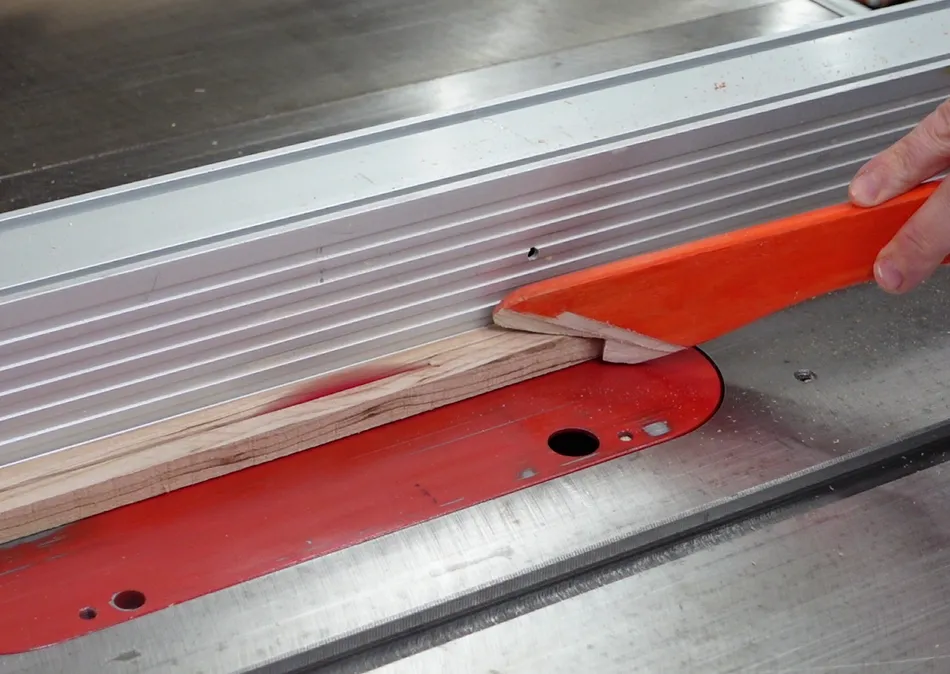 Cut square stock about 0.1 mm larger than the dowel you want to make on the
table saw. The dowel maker relies on this size to guide the square stock
centered as it cuts. This guideance is sufficient that you can hold the dowel
maker in one hand drive it with a drill in the other hand.
Cut square stock about 0.1 mm larger than the dowel you want to make on the
table saw. The dowel maker relies on this size to guide the square stock
centered as it cuts. This guideance is sufficient that you can hold the dowel
maker in one hand drive it with a drill in the other hand.
You will get straighter dowels from square stock than you would from downsizing a slightly larger dowel.
If you are downsizing a larger dowel, I recommend clamping the dowel maker to your workbench to make it easier to guide the stock in straight.
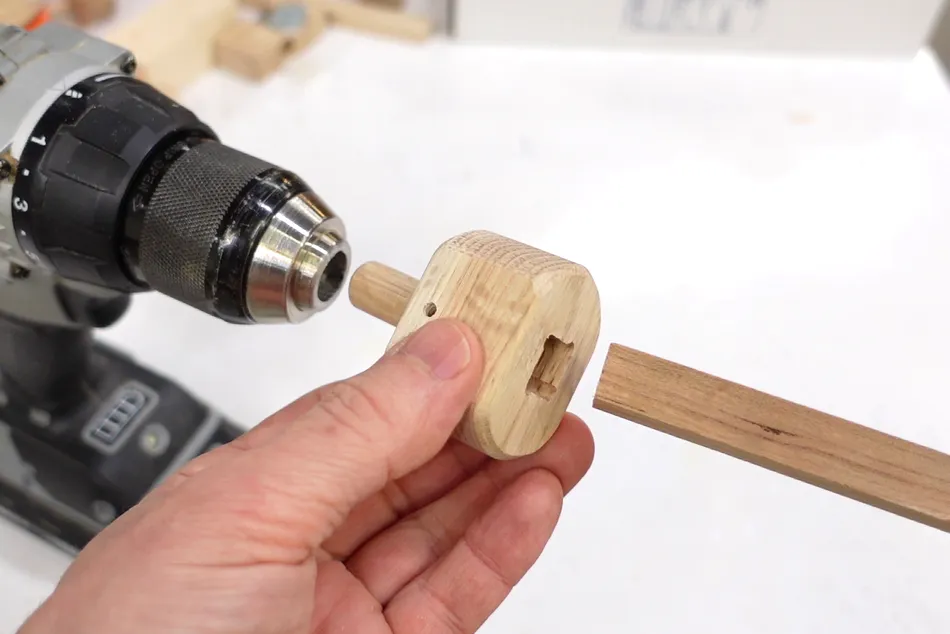 I have wooden drive adapters you can buy. These have a wooden shank to go in
the drill chuck. The shank is not glued in so you can replace the shank with
another dowel if it ever gets worn out from your drill chuck.
I have wooden drive adapters you can buy. These have a wooden shank to go in
the drill chuck. The shank is not glued in so you can replace the shank with
another dowel if it ever gets worn out from your drill chuck.
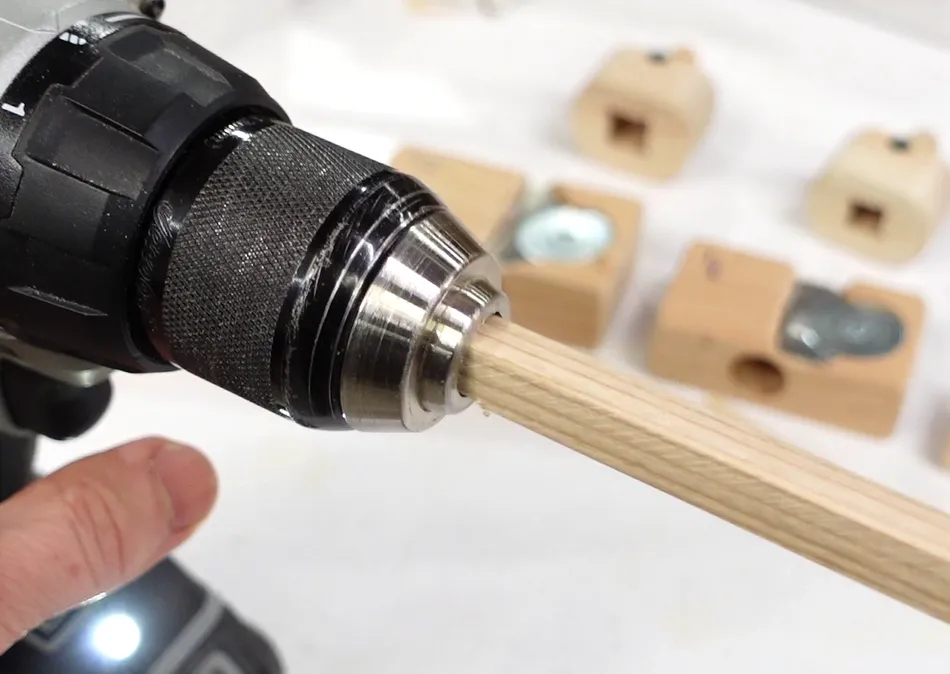 If you don't have a square driver, For square stock 3/8" and smaller, you can
put the square stock in a 1/2" drill chuck.
If you don't have a square driver, For square stock 3/8" and smaller, you can
put the square stock in a 1/2" drill chuck.
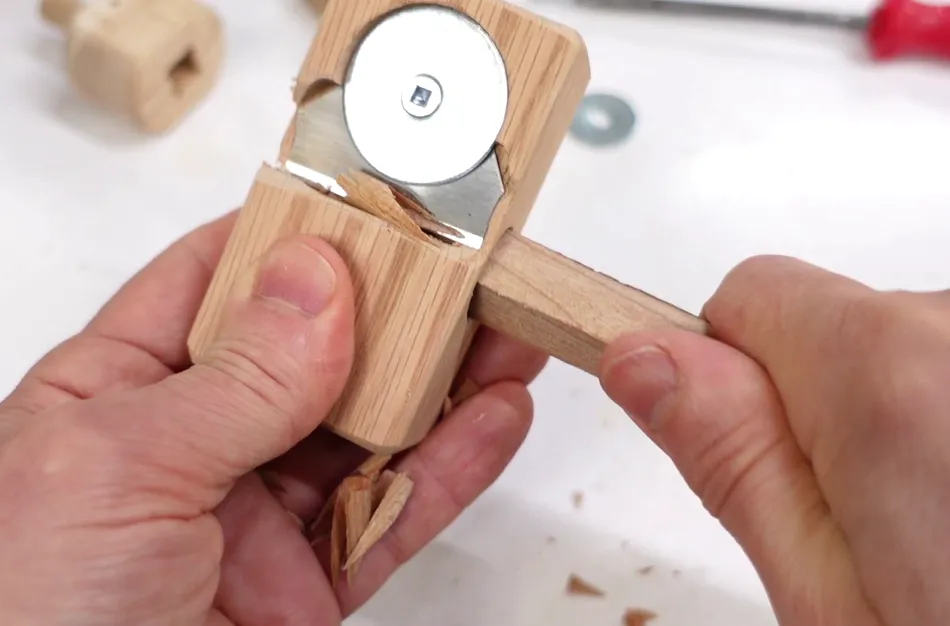
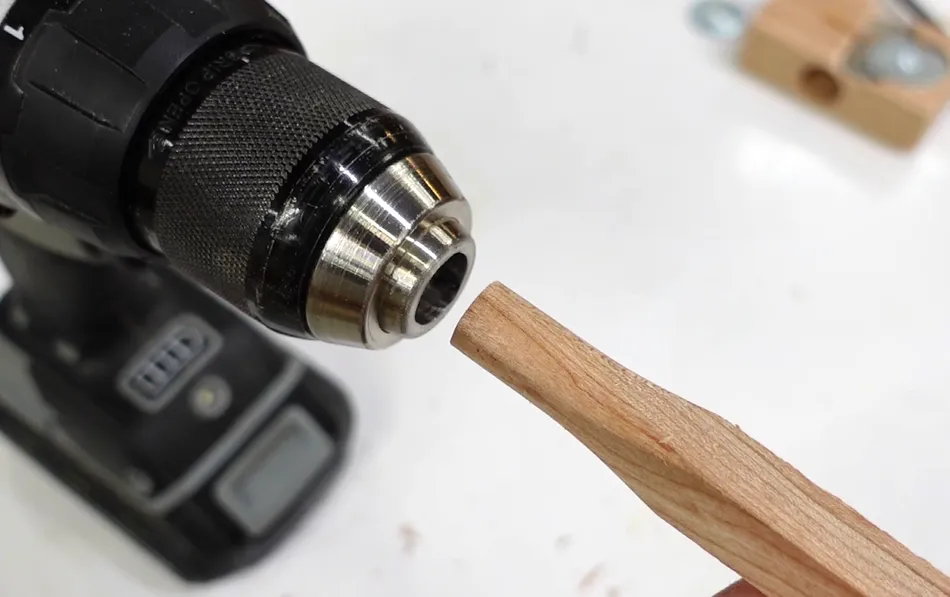 For 1/2" square stock, if you don't have a driver, you can round one end of
your square stock by manually twisting it into the dowel maker, then put the
rounded end in your 1/2" drill chuck.
For 1/2" square stock, if you don't have a driver, you can round one end of
your square stock by manually twisting it into the dowel maker, then put the
rounded end in your 1/2" drill chuck.
For 5/8" dowel maker, you will need a square driver of some sort - either one from me or one you made yourself.
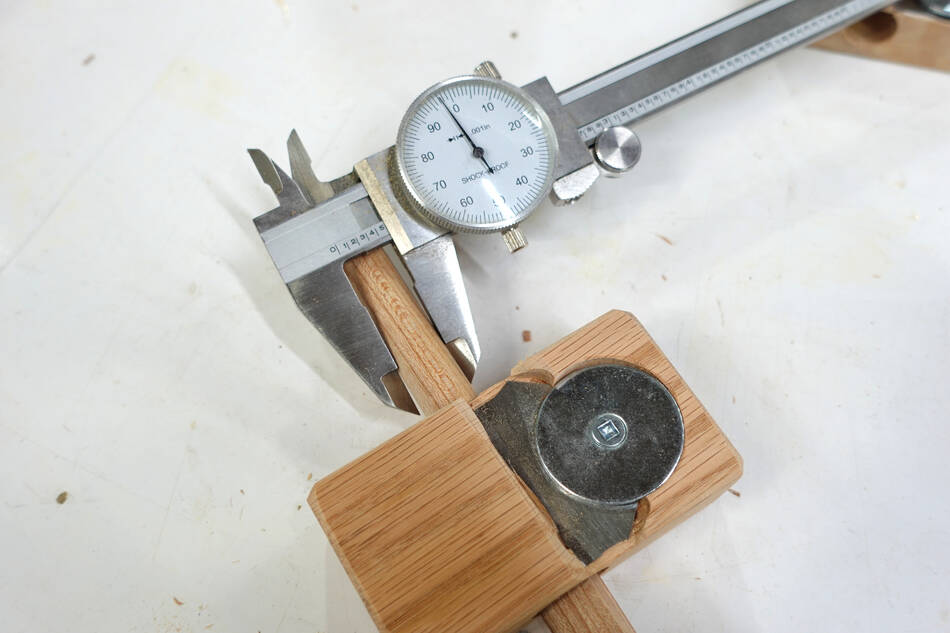 The finished dowel should come out between +0.002" and -0.006" relative to
its specified size, though in extremely humid environments will make it
larger and extremely dry environments can make it smaller.
The finished dowel should come out between +0.002" and -0.006" relative to
its specified size, though in extremely humid environments will make it
larger and extremely dry environments can make it smaller.
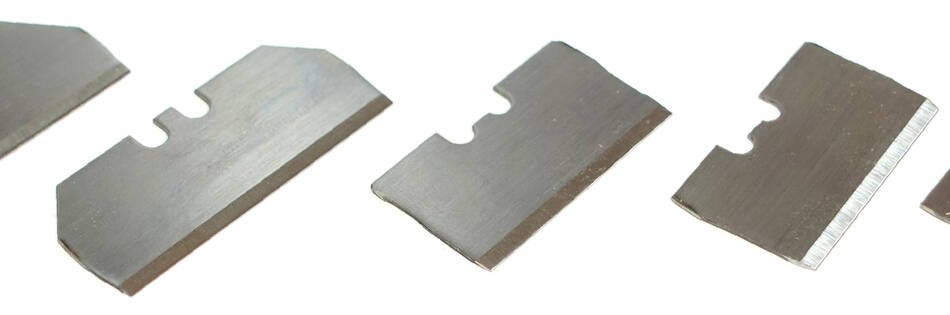 The blades will last a long time as it's just pushing straight into the wood
when cutting. You can re-hone the blade at 15 degrees, but do not take
significant amounts off the blade as it will affect the dowel maker's geometry.
The blades will last a long time as it's just pushing straight into the wood
when cutting. You can re-hone the blade at 15 degrees, but do not take
significant amounts off the blade as it will affect the dowel maker's geometry.
I offer replacement blades, or you can make your own replacement blades by breaking or cutting the ends off a utility knife blade.
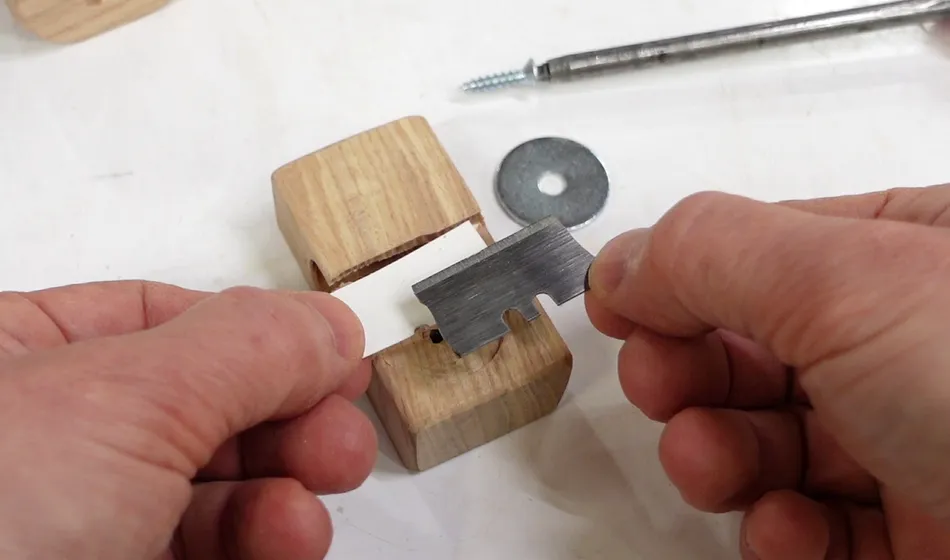 My first batch from May had shims under the kinves. With my second batch in June,
I managed to get my milling repeatability sufficiently under control that shims
became unnecessary.
My first batch from May had shims under the kinves. With my second batch in June,
I managed to get my milling repeatability sufficiently under control that shims
became unnecessary.
The knife edge on utility knives is not always perfectly centered with respect to the knife's thickness, sometimes as much as 0.001" off center. Flipping the knife over can make a substantial difference in how the dowel maker cuts.
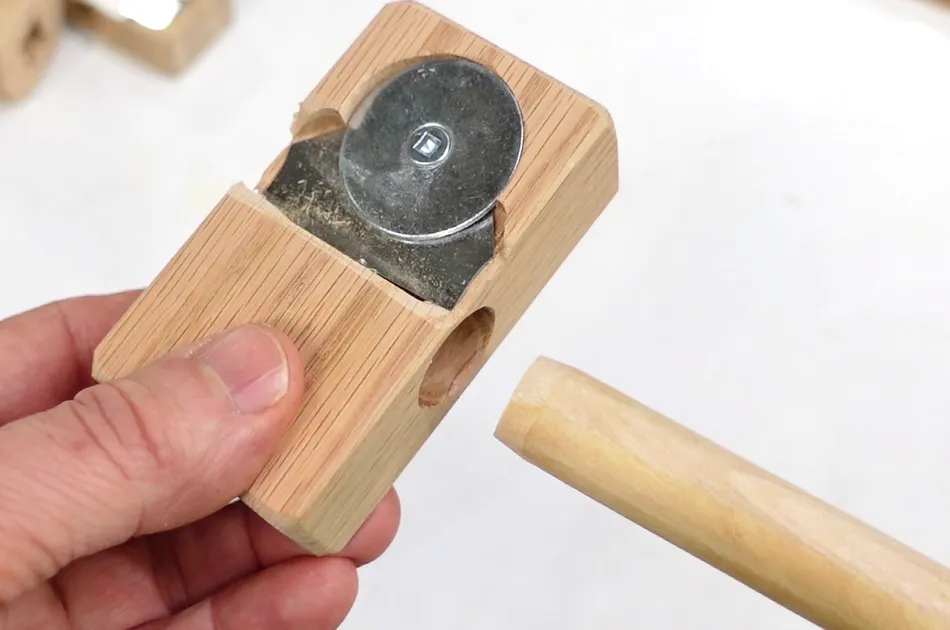 You can also use a smaller dowel maker to put a slight chamfer on the end of
your dowels.
You can also use a smaller dowel maker to put a slight chamfer on the end of
your dowels.
More about the dowel maker:
